



We love when local builders come hang with us at the shop, and we love hyping those builders whose work is quiet but incredible. Picture this; the builder alone in their shop, Birkenstock clogs and a standard leather apron but with custom straps, 2 sharpies and a scale in the pocket; selecting tubes out of boxes that smell like machine oil. One such builder, Bob Kamzelski, has been quietly making beautiful bicycles for about 15 years under his own brand, Bantam Bicycles.

From busting around his neighborhood with his brother on their crappy Huffy bikes, to PNW wonderland bikepacking adventures, to hopefully the End to End in Great Britain; Bob's story echoes a lot of small builders; starting humble until you're able to make a living doing the thing that you obviously love doing.
Bob has that somewhat romantic start in framebuilding, by doing-the-thing with what you have, until someone starts to notice. And then working even harder for someone else and learning the new tricks, until you're the one calling the shots. He reminisces, "Over twenty years ago I got my start in framebuilding by making a frame in my living room with $300 worth of materials bought from Henry James, a hacksaw, a 10” half round file, and a plumbing torch I found in the closet of my house. After that (and because of that) I scored a job at Bilenky Cycle Works, where I worked for 6.5yrs. Starting off as an apprentice and finishing my time there as head framebuilder."
And while he can't remember a specific individual piece of advice during his career, "...I am eternally grateful to the old Bilenky crew, Stephen B., Simon F., and John W., for teaching me all the ins and outs of framebuilding."

After moving coasts, Philadelphia to Portland, Bantam has become a Portland staple, rocking clean paint jobs but never shying away from unusual, workhorse, or braze-on-heavy builds. And even getting the chance to add on his own custom-made forks and racks.
"Trends are what drives me crazy. Every year or so the industry comes up with something ‘new’. It rarely makes the experience of cycling any better. And it most always seems just like a driver to sell more product," Bob tells us. Not alone in his opinion, many innovations and trends in the bicycle industry seem to be consumerism-driven conventions. And as many small builders use metal to create their bikes, sometimes the trends can be mostly applicable to carbon. Sometimes they don't truly make sense on our side of the industry, but we are taken along for the ride, as the large component companies cater to the larger big box brands.
When queried on that note about his favourite type of bike to build, he tells us he likes to build "Ones that will actually get ridden." Meaning that the bike needs to fill the niche you need it to fill! He goes on, "I don't like to build wall hangers..." which means that they are meant to be work horses, bicycles that take you on adventures, not ones that hang on the wall at home like pieces of visual-only art. Although there is a bit of irony because the machines that Bob makes can also be described as art.

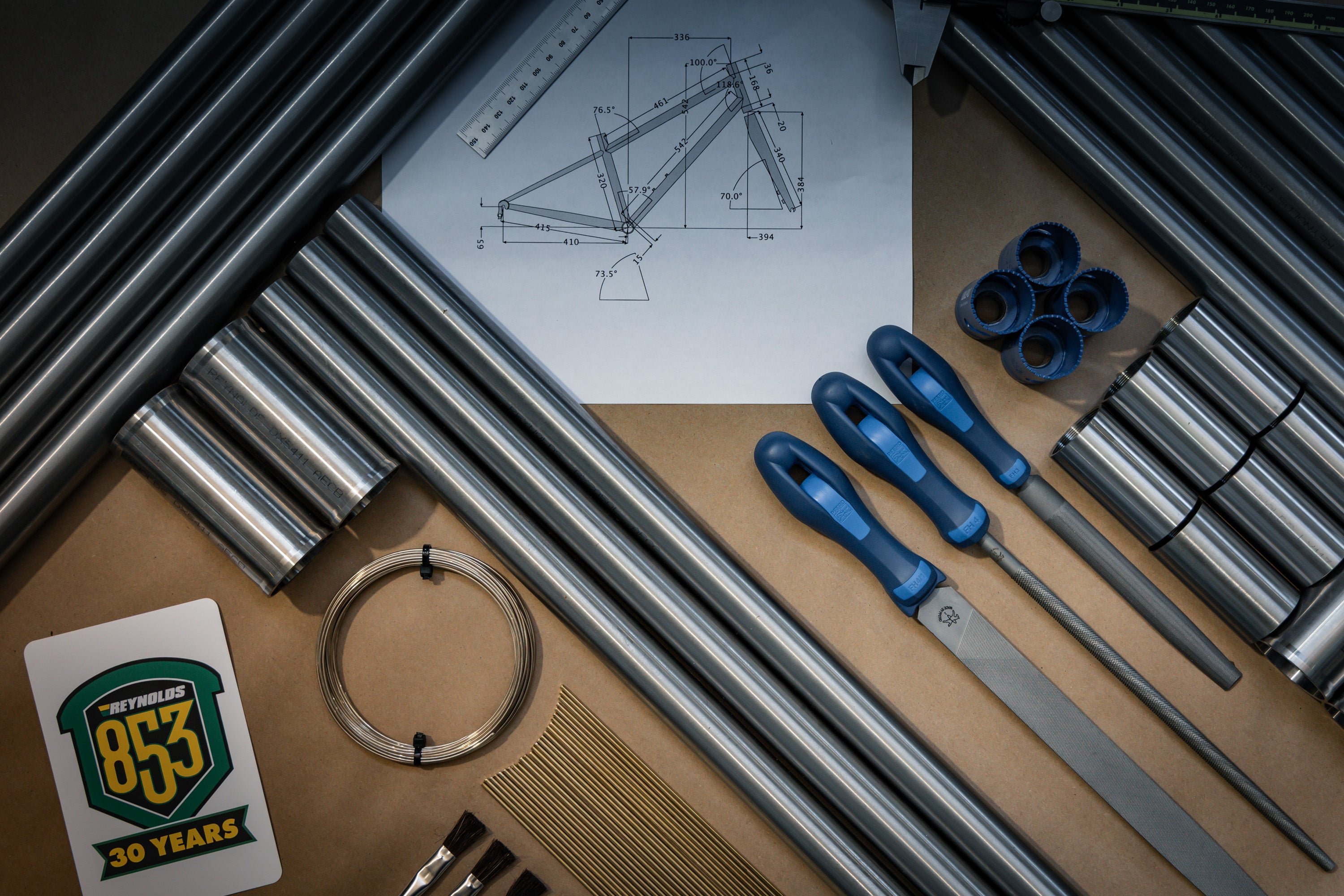
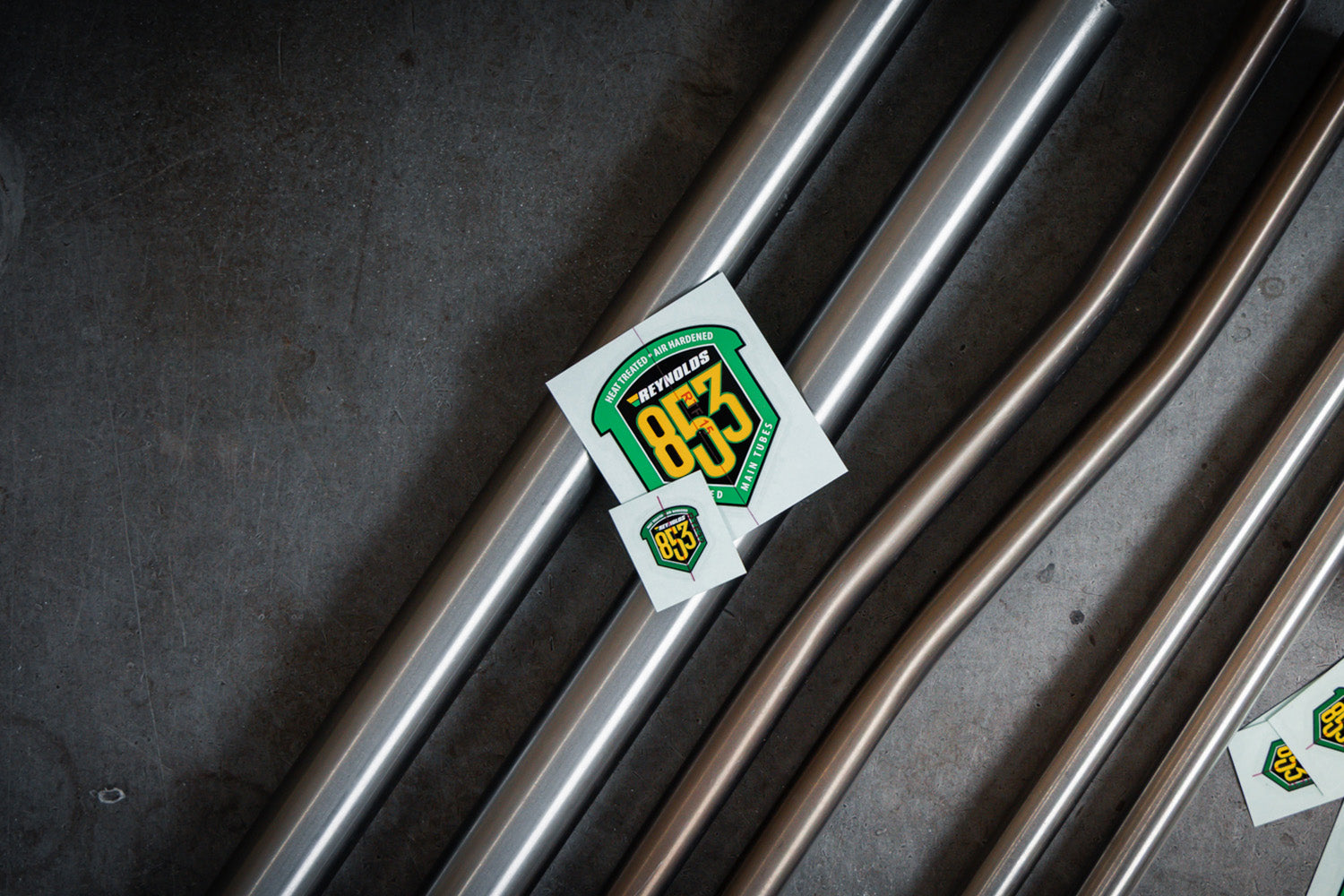
A man after our own hearts here at Firsthand, Bob gives us insight into the latest Reynolds 853 bike he stuck together, "I chose 853 tubes for one of my MADE show bikes because they were the right tubes for the project. I love the wide variety of diameters, wall thicknesses, and butting profiles that Reynolds produces. Makes it a lot easier to find the right tube for the job instead of compromising the design based on the availability of tubing."
"Some builders truly favour certain tubes or certain styles of building for whatever reason, perhaps they think they are stronger, or possibly that it's more fun to use them. Sometimes it can be as simple as what gives the builder the best possible margin. But the reality of all of these purpose-made tubes, is that the wall thickness, the diameter, the alloy, the shape; they all contribute to a particular ride feel. You can see some of this has reached the general public when people talk about preferring a Columbus or Reynolds bike. But some builders out there try to find the right tube for the job rather than always ordering a particular brand. "

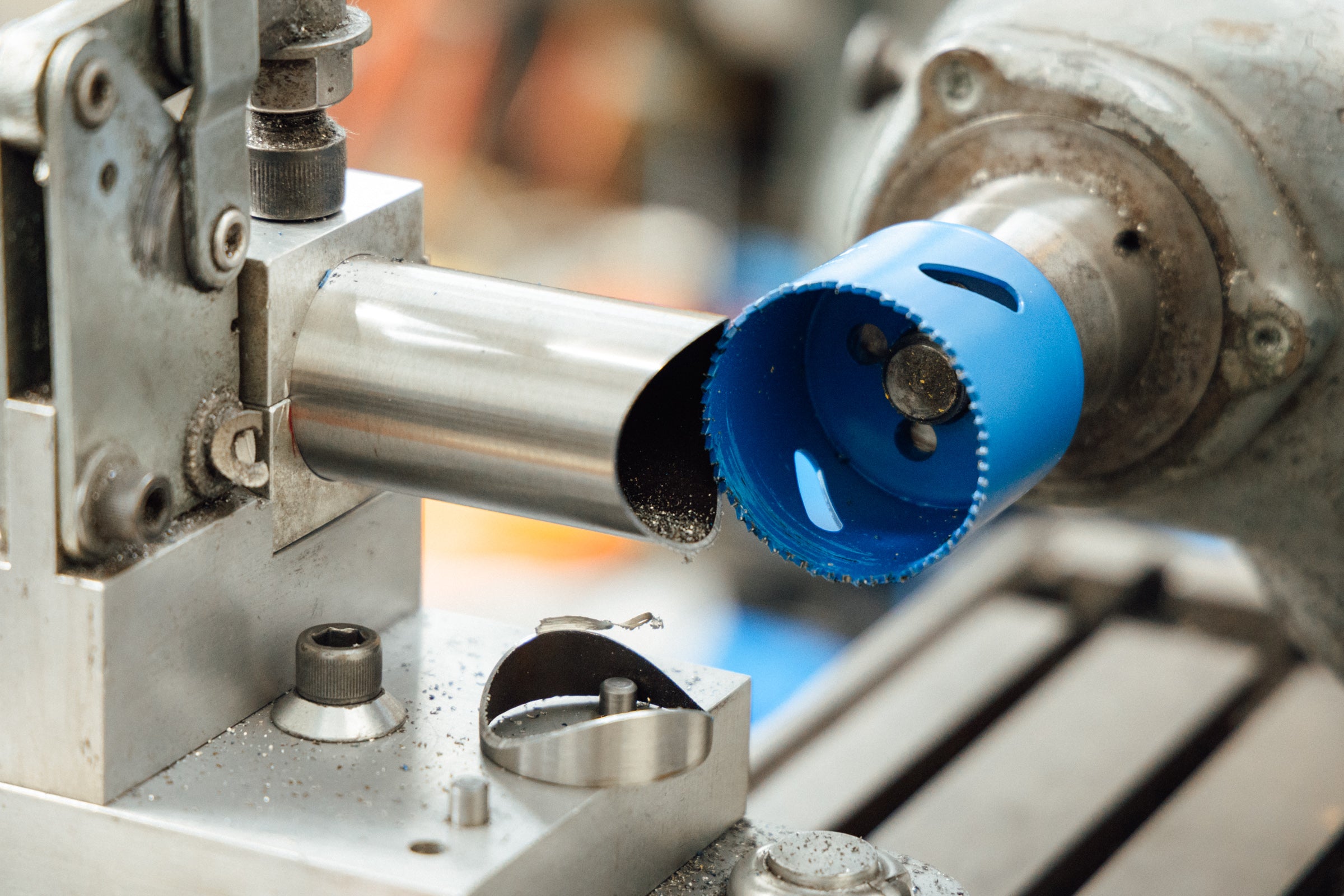
During a build, there are many many separate steps and operations; from the ever-sexy "melting metal" steps, down to the deburring and tube cleaning steps. Every piece is necessary and skipping even one can result in a lesser product. Along with that, there are some builders who enjoy different pieces more. "My favorite part of the process is when the frame is all tacked together and comes out of the frame fixture as a single object. That point at which a pile of tubes starts to look like an actual bike frame," he says, as you can imagine, it starts to feel less like an idea in your head and more like an actual product that someone will be riding very soon.
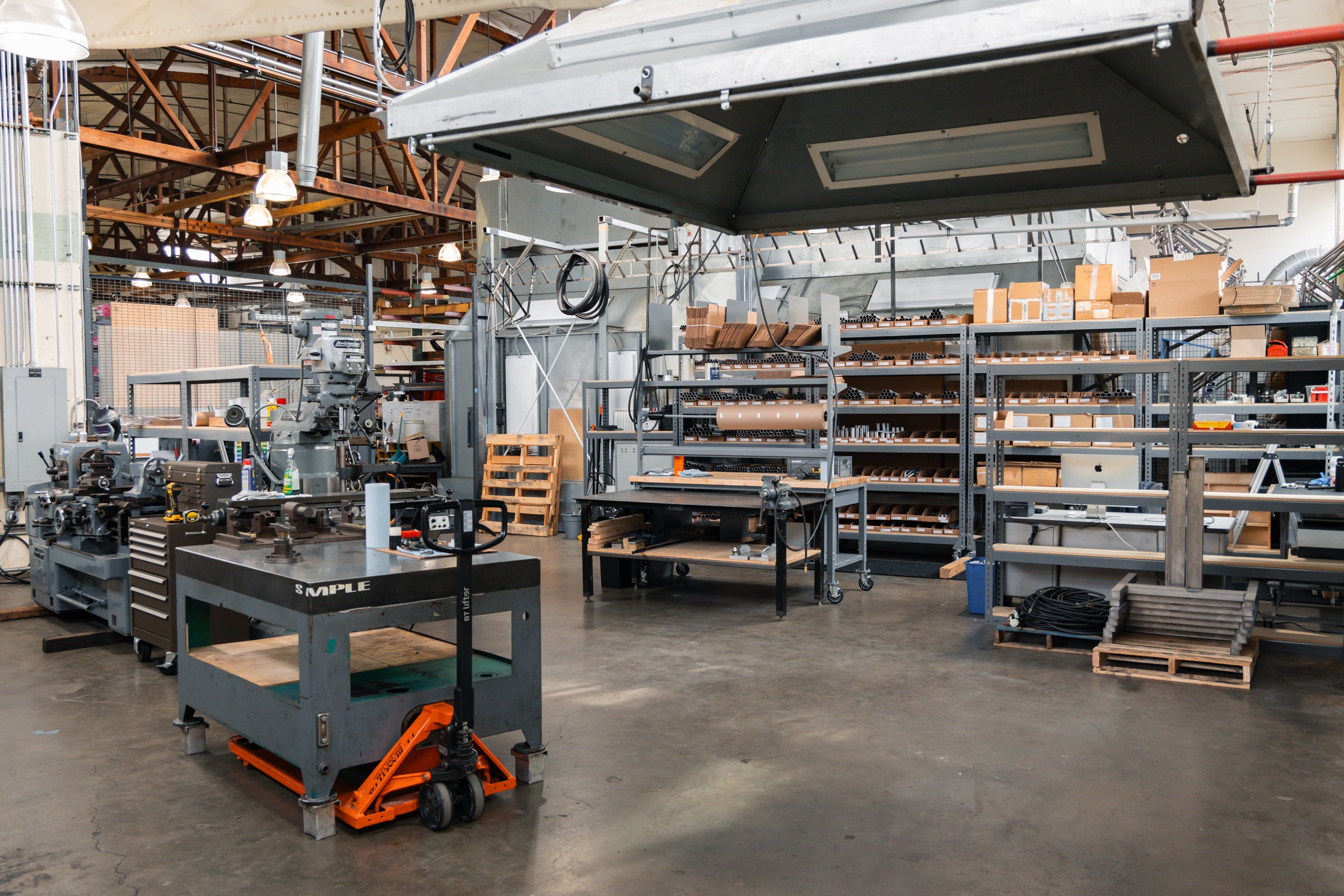
Along with the many steps, there are many tools. And while Bob has displayed that a hacksaw and a file will get you far, it would seem that he's leveled up to luxury, even having a lathe, Monarch 10EE in his shop. But some undersung tools are the mainstay of all processes, Bob tells us the tool he likely uses the most, is sandpaper. But having started in a very humble way with his own first frame, as you build your own first frame, he would tell you, "Know that it's not going to be perfect. And that's perfectly fine."

View more of Bob's work, at Bantam Bicycles.